The Convention Turns 75. Her Name Is Still Not in It.
The Convention Turns 75. Her Name Is Still Not in It.
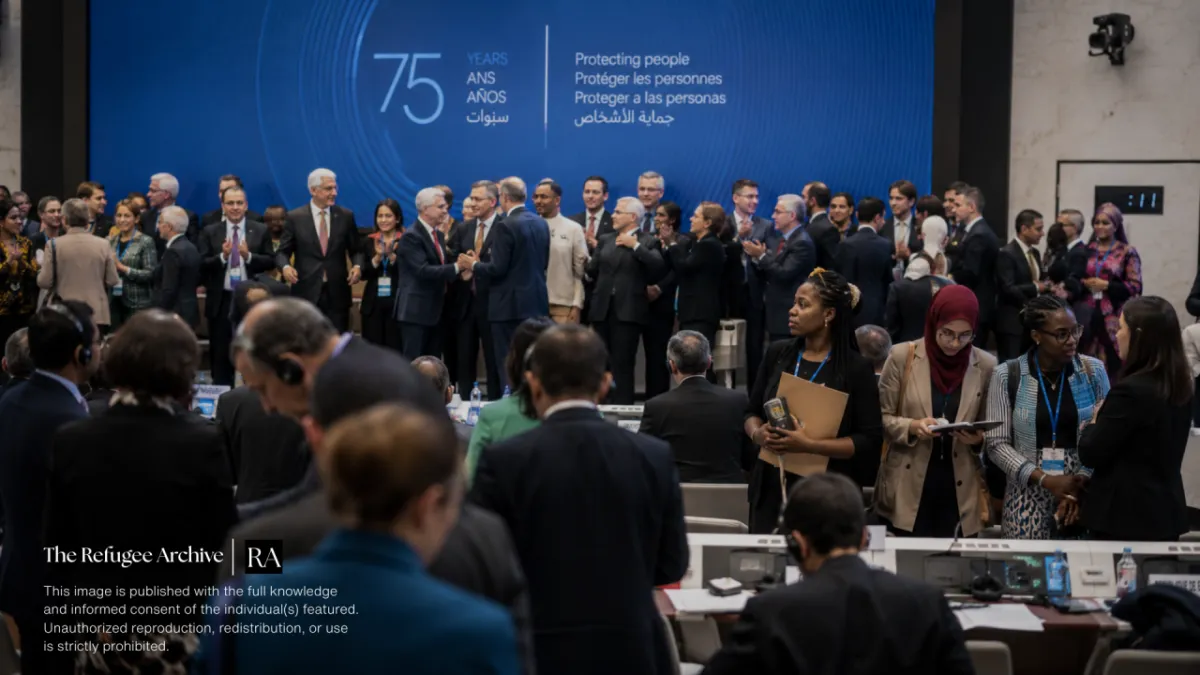
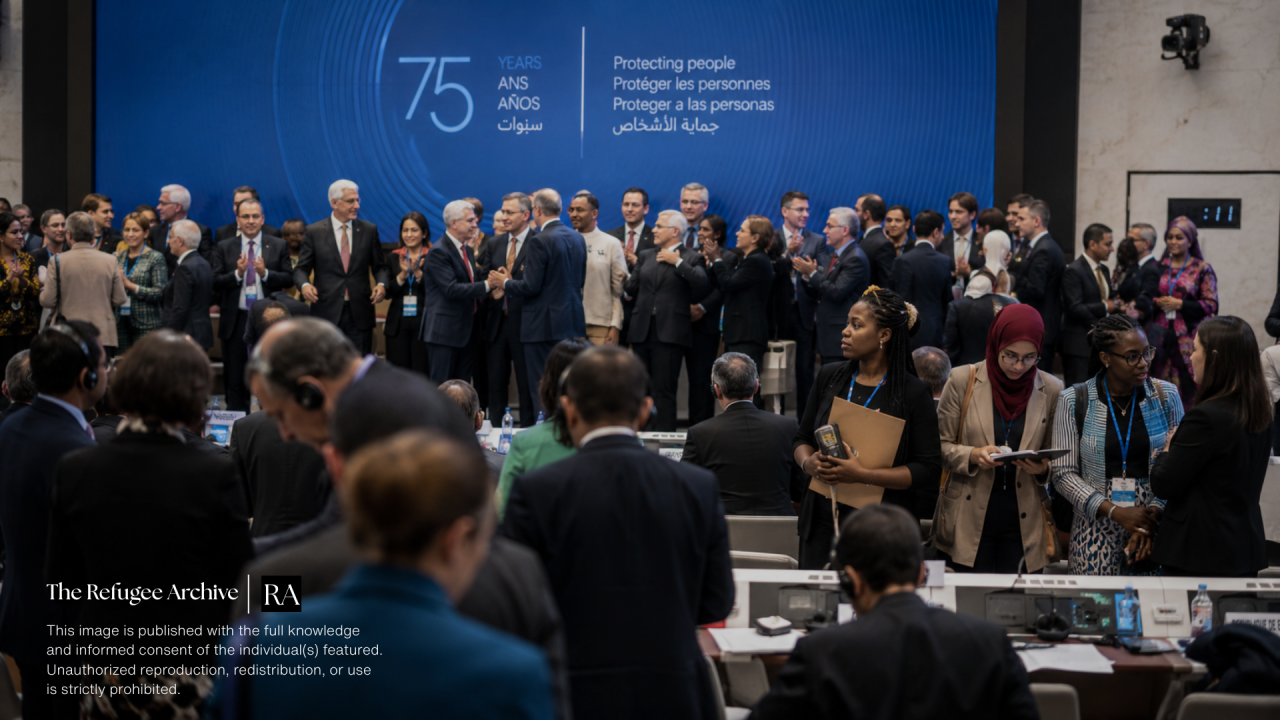
Today, at the Palais des Nations in Geneva, the same building where delegates signed the 1951 Refugee Convention three-quarters of a century ago, there will be a commemorative event. Speeches. Statements about achievements and commitments. The formal language of international occasions.
"With gender not mentioned in the Convention, it cannot take account of the gender-related persecution that affects women primarily."- Forced Migration Review, Marsh
We will mark it differently.
This year, The Refugee Archive sat with women whose names will not appear in any official program today. A single mother at Nakivale Refugee Settlement in Uganda, one of the oldest refugee settlements in Africa, who traveled across more than 180 square kilometers of terrain with no mobile network to reach a recorder. Women in Busia County, Kenya, displaced by flooding so severe it consumed the ground their homes stood on. Narrators in the DRC, Jordan, Nigeria, South Africa, the West Bank, and the Rohingya community who agreed to spend hours describing their lives to us, not because it was easy, but because they wanted to be heard.
The Convention was signed on July 28, 1951. It has protected millions of people. That is real, and it matters. It is also not the whole story.
"The universal refugee definition contained in the 1951 Convention and its 1967 Protocol does not include gender as one of the grounds for persecution which will lead to refugee status being granted." - UNHCR, Note on Refugee Women and International Protection
The document never defined persecution. It never mentioned gender. It said nothing about mothers, nothing binding about family unity, and nothing about the woman who flees not from a government but from a husband, a family, a community, and a state that looked the other way. For seventy-five years, displaced women have been fitting themselves into a framework built for someone else. The case law, the guidelines, the soft law that followed, all of it has worked around that fact rather than correcting it.
Our Friday Countdown series ran fifteen posts documenting exactly this, one legal gap at a time, from April through today. If you've followed along, you already know the argument. If you haven't, the full series is at www.therefugeearchive.org.
What we built this year was not just a series of posts. It was an evidence base. Each oral history we collected is testimony about what protection has actually looked like from inside a life the Convention never quite imagined. That testimony belongs in the record. It belongs in the conversations happening in Geneva today, and in the policy rooms that will determine what refugee protection looks like for the next seventy-five years.
The Refugee Archive operates entirely on donations and grants. There are hundreds of women waiting to tell their stories, hoping to become part of the record, living in some of the world’s most difficult situations. We’d love to help them.
If this work matters to you, please support it at www.therefugeearchive.org/donate.
Seventy-five years ago, states gathered in Geneva and decided that some people deserved protection and that the world had an obligation to provide it. That decision was real and it was right, even if the document that resulted was incomplete. The question on its seventy-fifth anniversary is not whether the Convention was worth signing. It was. The question is whether the people it was never quite built for will finally be part of deciding what comes next.
We think they should be. We think their voices belong at the center of that conversation. That is what the Archive is for.
#RefugeeConvention75 #28July2026 #FridayCountdownTo75 #RefugeeConvention1951 #TheRefugeeArchive #OralHistory #ForcedDisplacement #WomenAndAsylum #FemaleHeadedHouseholds #GenderAndAsylum #RefugeeWomen #WhoWasTheLawBuiltFor #RefugeeLaw
Learn more at www.therefugeearchive.org | Support this work at www.therefugeearchive.org/donate
